
Browse products by
Filter By Type
Filter By Finish
Filter By Look
Filter By Application


Filter By Type
Filter By Look
Filter By Application
Filter By Size
Blog
Porcelain Tiles vs Vitrified Tiles: What’s the Difference?
Jun 2026

When choosing tiles for your home or commercial space, one common question buyers often ask is: Porcelain tiles vs vitrified tiles — which is better? With so many options available in today’s market, understanding the difference between these two popular tile categories can help you make the right decision for your project.
Both porcelain and vitrified tiles are known for durability, low water absorption, and long-lasting performance. However, they differ in manufacturing process, material composition, aesthetics, applications, and overall performance in certain environments.
If you are comparing porcelain vs vitrified, this guide will help you understand the key differences so you can select the best tile for your flooring or wall requirements.
What Are Porcelain Tiles?
Porcelain tiles are premium ceramic tiles made from highly refined clay, feldspar, silica, and other minerals. These materials are fired at extremely high temperatures, usually above 1200°C, to create a dense and highly durable tile body.
The high firing temperature gives porcelain tiles exceptional strength and very low porosity.
Key Characteristics of Porcelain Tiles
- Highly dense composition
- Extremely low water absorption
- Superior durability
- Scratch and stain resistance
- Suitable for indoor and outdoor use
- Available in polished, matt, structured, and full-body finishes
Porcelain tiles are widely used in luxury residential and commercial projects because they offer both performance and premium aesthetics.
What Are Vitrified Tiles?
Vitrified tiles are manufactured using a blend of clay, silica, quartz, and feldspar. During firing, these materials partially melt and fuse together, creating a glass-like surface.
This vitrification process makes the tile less porous and more durable than regular ceramic tiles.
Key Characteristics of Vitrified Tiles
- Hard surface
- Low porosity
- Good durability
- Easy maintenance
- Glossy or matt finish options
- Suitable for flooring applications
Vitrified tiles are widely used in homes, offices, retail stores, and commercial spaces because of their durability and affordability.
Porcelain Tiles vs Vitrified Tiles: Manufacturing Difference
The primary difference between porcelain tiles vs vitrified tiles lies in how they are manufactured.
Porcelain Tiles Manufacturing
Porcelain tiles use:
- More refined raw materials
- Higher clay purity
- Higher firing temperature
- Greater pressure during production
This creates an extremely compact tile with minimal pores.
Vitrified Tiles Manufacturing
Vitrified tiles use:
- Clay
- Quartz
- Silica
- Feldspar
The materials fuse during firing to create a glass-like finish.
Although both are durable, porcelain usually has a denser body.
Water Absorption: Which Performs Better?
Water absorption is one of the most important factors when comparing porcelain vs vitrified.
Porcelain Tiles
Porcelain tiles generally have water absorption below 0.5%.
This makes them ideal for:
- Bathrooms
- Kitchens
- Swimming pool areas
- Outdoor spaces
- Facades
Because of their low porosity, moisture penetration is minimal.
Vitrified Tiles
Vitrified tiles also have low water absorption, but typically slightly higher than porcelain.
They perform well in most indoor environments but may not always be the first choice for extreme outdoor exposure.
Winner: Porcelain Tiles
For wet and moisture-heavy environments, porcelain tiles generally perform better.
Strength and Durability
Both tile types are strong, but porcelain usually leads in heavy-duty applications.
Porcelain Tiles
Because of their dense body, porcelain tiles offer:
- Higher compressive strength
- Better impact resistance
- Improved wear resistance
- Longer lifespan
These are ideal for:
- Airports
- Shopping malls
- Hotels
- Outdoor flooring
- High-traffic commercial areas
Vitrified Tiles
Vitrified tiles also provide excellent durability for:
- Homes
- Offices
- Showrooms
- Retail flooring
They are strong enough for most regular applications.
Winner: Porcelain Tiles
For heavy traffic and demanding environments, porcelain has an advantage.
Appearance and Design Options
Aesthetics matter significantly when choosing tiles.
Porcelain Tiles Design Options
Modern porcelain tiles are available in stunning finishes such as:
- Marble look
- Onyx look
- Travertine look
- Stone textures
- Concrete finishes
- Wooden plank styles
- Monolithic large-format slabs
At Lavish Ceramics, premium porcelain collections include:
- Polished surfaces
- Matt textures
- Structured finishes
- Wooden planks
- Architectural slabs
These provide exceptional design flexibility.
Vitrified Tiles Design Options
Vitrified tiles are commonly available in:
- Double charge tiles
- Soluble salt tiles
- Glazed vitrified tiles
- Polished surfaces
Design variety is good, though porcelain generally offers more premium aesthetics.
Winner: Porcelain Tiles
For luxury interiors and premium design projects, porcelain offers broader possibilities.
Maintenance Comparison
When comparing porcelain tiles vs vitrified tiles, maintenance is another key factor.
Porcelain Tiles
Porcelain tiles are:
- Easy to clean
- Stain resistant
- Scratch resistant
- Low maintenance
Regular sweeping and mopping are usually sufficient.
Vitrified Tiles
Vitrified tiles are also easy to maintain.
However, certain polished surfaces may show scratches or stains slightly more than porcelain.
Winner: Tie
Both are excellent for low-maintenance spaces.
Indoor vs Outdoor Usage
Where will the tiles be installed?
This greatly influences the choice.
Porcelain Tiles
Best for:
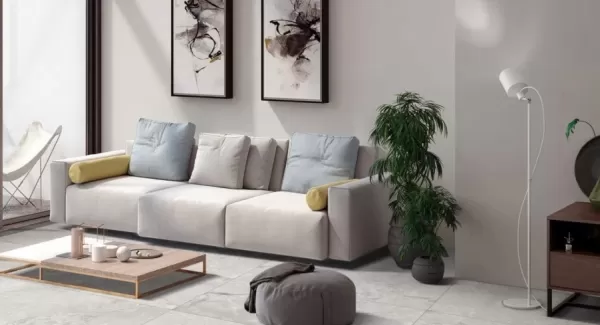
- Living rooms
- Kitchens
- Bathrooms
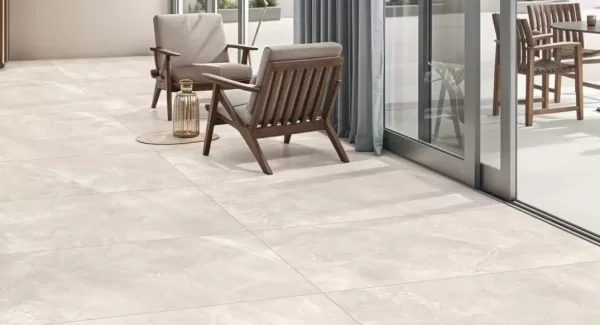
- Outdoor patios
- Terraces
- Elevations
- Facades
- Commercial spaces
Because of low porosity and high durability, porcelain works almost everywhere.
Vitrified Tiles
Best for:
- Indoor flooring
- Bedrooms
- Offices
- Residential spaces
- Light commercial areas
Outdoor use may depend on tile type and finish.
Winner: Porcelain Tiles
Porcelain is more versatile.
Cost Comparison
Budget matters in every project.
Porcelain Tiles
Porcelain tiles are generally priced higher because of:
- Better raw materials
- Advanced manufacturing
- Premium designs
- Superior durability
Vitrified Tiles
Vitrified tiles are often more economical.
They offer a good balance between cost and performance.
Winner: Vitrified Tiles
If budget is the main priority, vitrified tiles may be more affordable.
Which Tile Should You Choose?
The answer depends on your project requirements.
Choose Porcelain Tiles if you need:
- Luxury aesthetics
- Outdoor usage
- Premium finishes
- Better durability
- Water resistance
- Long-term performance
Choose Vitrified Tiles if you need:
- Budget-friendly flooring
- Good durability
- Indoor residential use
- Easy maintenance
Why Lavish Ceramics for Premium Porcelain Tiles?
Lavish Ceramics is a leading manufacturer and exporter of premium porcelain tiles from India, offering innovative collections for residential, commercial, and architectural applications.
Why Choose Lavish Ceramics?
- Premium porcelain manufacturing
- Large-format tile collections
- Luxury finishes
- Global export expertise
- Advanced production technology
- Modern design innovation
From polished onyx surfaces and marble-inspired collections to matt travertine finishes and wooden plank tiles, Lavish Ceramics delivers premium tile solutions for modern spaces worldwide.
Final Thoughts
When comparing porcelain tiles vs vitrified tiles, both options offer excellent durability and performance. However, porcelain tiles stand out for superior strength, lower water absorption, better outdoor performance, and luxury aesthetics.
If your project demands premium quality, elegant design, and long-term durability, porcelain tiles are often the better investment. On the other hand, vitrified tiles remain a practical and cost-effective choice for standard indoor flooring.
Understanding the difference between porcelain vs vitrified helps ensure you choose the right material based on design goals, budget, and application. Selecting high-quality tiles from a trusted manufacturer like Lavish Ceramics ensures long-lasting beauty and performance for any project.
Similar Articles
Leave a Reply