
Browse products by
Filter By Type
Filter By Finish
Filter By Look
Filter By Application


Filter By Type
Filter By Look
Filter By Application
Filter By Size
Blog
Eco-Friendly Tiles: How Sustainable Manufacturing Is Changing the Tile Industry
Sep 2026

The construction and interior design industries are increasingly looking for materials that combine aesthetics, durability, and environmental responsibility. Among these materials, eco friendly tiles are becoming an important choice for residential, commercial, and architectural projects. Modern tile manufacturers are adopting cleaner production methods, efficient resource management, recycled materials, and improved technologies to reduce their environmental impact without compromising on design or performance.
For architects, interior designers, builders, and homeowners, sustainability is no longer limited to energy-efficient buildings. The materials used inside and outside a building also contribute to its overall environmental footprint. This is where sustainable tile manufacturing is changing the way tiles are designed, produced, and used.
What Are Eco Friendly Tiles?
Eco friendly tiles are tiles manufactured and used with a focus on reducing environmental impact throughout their lifecycle. This can include the responsible sourcing of raw materials, efficient use of water and energy, incorporation of recycled materials, reduction of manufacturing waste, and improved production processes.
Eco-friendly does not necessarily mean that a tile looks different from conventional products. Today’s advanced manufacturing technologies allow sustainable tiles to offer the same variety of colors, patterns, textures, finishes, and sizes expected from modern surfaces.
From natural stone-inspired designs to contemporary marble effects and wood-look surfaces, sustainable tile options can support a wide range of architectural styles.
The Rise of Sustainable Tile Manufacturing
The tile industry has traditionally relied on natural minerals and energy-intensive manufacturing processes. However, increasing environmental awareness and technological innovation are encouraging manufacturers to rethink how tiles are produced.
Sustainable tile manufacturing focuses on optimizing every stage of production, from raw material preparation to firing, finishing, packaging, and transportation.
Modern manufacturing facilities can incorporate several strategies, including:
- More efficient use of raw materials
- Recycling production waste
- Reducing water consumption
- Improving energy efficiency
- Using cleaner production technologies
- Reusing process water
- Optimizing kiln operations
- Reducing packaging waste
- Improving logistics and transportation efficiency
These improvements can help manufacturers reduce resource consumption while maintaining consistent product quality.
How Tile Manufacturing Is Becoming More Sustainable?
1. Efficient Use of Raw Materials
Raw materials are a fundamental part of ceramic and vitrified tile production. Sustainable manufacturing aims to use these resources more efficiently.
Manufacturers can optimize formulations and production processes to reduce unnecessary material waste. Manufacturing residues and defective products can also be processed and reused where technically appropriate.
This approach supports a more circular production model in which fewer materials are treated as waste.
2. Recycling Manufacturing Waste
Tile production can generate material waste during different stages of manufacturing. Instead of sending all production waste to disposal facilities, modern factories can recover and reuse suitable materials.
Recycling production waste can reduce the demand for additional raw materials and help manufacturers make better use of resources.
This is an important part of creating a more sustainable manufacturing cycle.
3. Reducing Water Consumption
Water plays an important role in several manufacturing processes. Sustainable factories are increasingly implementing systems that allow process water to be treated and reused.
Water recycling can reduce the amount of fresh water required for production and minimize wastewater generation.
For an industry operating at a large scale, even small improvements in water efficiency can make a meaningful difference over time.
4. Improving Energy Efficiency
Tile manufacturing involves processes such as drying and firing that require significant energy. Improving energy efficiency therefore plays an important role in reducing the environmental impact of production.
Modern equipment, optimized kiln systems, improved insulation, and better process control can help manufacturers use energy more efficiently.
Manufacturers may also explore renewable energy sources as part of broader sustainability initiatives.
Benefits of Eco-Friendly Tiles in Modern Architecture
The benefits of eco-friendly tiles in modern architecture extend beyond manufacturing. Their durability, versatility, and low-maintenance characteristics can make them practical choices for many types of projects.
Durability and Long-Term Performance
High-quality tiles are designed to withstand everyday use, making them suitable for floors, walls, kitchens, bathrooms, commercial spaces, and outdoor applications depending on their specifications.
A durable surface may need to be replaced less frequently, helping reduce material consumption over the long term.
Low Maintenance
Many modern tile surfaces are relatively easy to clean and maintain. They generally do not require extensive maintenance treatments, making them convenient for both residential and commercial environments.
This can also help reduce the consumption of certain cleaning and maintenance products throughout the usable life of the surface.
Design Flexibility
Sustainability does not mean compromising on visual appeal. Modern tile technology offers a wide selection of formats, colors, textures, and finishes.
Tiles can recreate the appearance of materials such as marble, natural stone, concrete, and wood while providing the practical characteristics associated with ceramic and vitrified surfaces.
This allows architects and designers to incorporate sustainable material choices into contemporary design concepts.
Suitable for Different Applications
Eco-friendly tile options can be used across a variety of architectural environments. Depending on their technical specifications, they can be considered for:
- Residential flooring
- Kitchen walls and backsplashes
- Bathroom surfaces
- Living rooms
- Hospitality spaces
- Retail interiors
- Offices
- Commercial buildings
- Exterior applications
- Feature walls
Their versatility makes tiles a useful surface material for projects where both appearance and long-term performance matter.
Eco Friendly Tiles and the Future of Interior Design
The future of interior design is increasingly connected with responsible material selection. Architects and designers are considering not only how a product looks but also how it is manufactured, maintained, and used throughout its lifecycle.
This shift is creating opportunities for tile manufacturers to develop products that combine sophisticated design with more responsible manufacturing practices.
Large-format tiles, wood-inspired surfaces, natural stone effects, textured finishes, and contemporary patterns allow designers to create visually distinctive interiors while considering material efficiency and durability.
For homeowners, choosing eco friendly tiles can also be part of a broader approach to creating more sustainable living spaces.
What Should You Look for When Choosing Sustainable Tiles?
Not every product marketed as sustainable will have the same environmental characteristics. When selecting tiles for a project, buyers should look beyond marketing claims and consider practical information about the product and manufacturer.
Important factors can include:
Manufacturing practices: Look for manufacturers that actively work toward efficient use of energy, water, and raw materials.
Durability: A long-lasting tile can reduce the frequency of replacement.
Material efficiency: Consider products and manufacturing processes that minimize production waste.
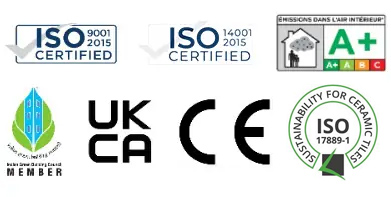
Certifications and documentation: Where available, environmental certifications and product documentation can provide additional information about manufacturing and performance.
Application suitability: Select tiles according to the technical requirements of the intended application.
Lavish Ceramics: Combining Design With Modern Manufacturing
At Lavish Ceramics, the evolution of tile design reflects the growing demand for high-quality surfaces that meet the changing needs of modern architecture and interiors.
From contemporary designs to natural-inspired textures and finishes, modern tile collections offer architects, designers, builders, and homeowners greater flexibility when developing residential and commercial spaces.
As the industry continues to evolve, the combination of innovative design, manufacturing efficiency, durability, and responsible resource use will become increasingly important.
The Future of Sustainable Tile Manufacturing
Sustainability is becoming an ongoing process rather than a single product feature. As technology advances, tile manufacturers are expected to continue exploring better ways to reduce resource consumption, recover manufacturing waste, improve energy efficiency, and optimize production.
At the same time, consumers and professionals are becoming more informed about the lifecycle of construction and interior materials.
The result is a tile industry that is moving toward a more resource-conscious future while continuing to provide the design possibilities demanded by modern architecture.
For architects, interior designers, builders, and homeowners, eco friendly tiles represent an opportunity to bring together aesthetics, functionality, durability, and environmental awareness. Through continued innovation in sustainable tile manufacturing, the industry can create surfaces that are not only beautiful and practical but also aligned with the evolving priorities of responsible modern construction.
Lavish Ceramics continues to bring modern tile designs and surface solutions to projects where style, performance, and contemporary architectural requirements come together.
Similar Articles

Leave a Reply