
Browse products by
Filter By Type
Filter By Finish
Filter By Look
Filter By Application


Filter By Type
Filter By Look
Filter By Application
Filter By Size
Blog
GVT Tiles vs Vitrified Tiles: What’s the Difference?
Oct 2026

Choosing the right tiles is an important part of designing a beautiful and functional home. With so many options available, homeowners often compare different tile types before making a purchase. One common question is about GVT tiles vs vitrified tiles: Are they the same, and which option is better for modern homes?
GVT stands for Glazed Vitrified Tiles. These tiles combine a vitrified tile body with a decorative glazed surface, allowing manufacturers to create a wide variety of colours, patterns, and textures. Vitrified tiles, on the other hand, are a broader category of tiles manufactured through a process that produces a dense, low-porosity body.
Understanding their differences can help you select tiles that match your design preferences, budget, and application requirements.
At Lavish Ceramics, you can explore tile designs for contemporary residential and commercial interiors. In this guide, we explain what GVT and vitrified tiles are, compare their features, and help you decide which type is suitable for your project.
What Are Vitrified Tiles?
Vitrified tiles are manufactured using a mixture of materials such as clay, silica, quartz, and feldspar. During production, the materials are processed and fired at high temperatures to create a dense tile body with low water absorption.
The vitrification process helps reduce porosity, making these tiles suitable for many flooring and wall applications, depending on the product specifications.
Vitrified tiles are available in different types, including glazed vitrified tiles, full-body vitrified tiles, and double-charge vitrified tiles. Each type has different construction characteristics and design possibilities.
Key Features of Vitrified Tiles
- Low water absorption: Their dense structure generally makes them less porous than conventional ceramic tiles.
- Durability: Many vitrified tiles are suitable for everyday residential and commercial use.
- Design variety: They are available in multiple colours, patterns, sizes, and finishes.
- Easy maintenance: Many products can be cleaned with suitable household cleaning solutions.
- Versatile applications: Depending on their specifications, they can be used on floors and walls in different environments.
The performance of a vitrified tile depends on its construction, finish, quality, and intended application.
What Are GVT Tiles?
GVT stands for Glazed Vitrified Tiles. These tiles have a vitrified body and a decorative glaze applied to the surface. The glaze allows manufacturers to create detailed designs that imitate natural materials such as marble, granite, wood, and stone.
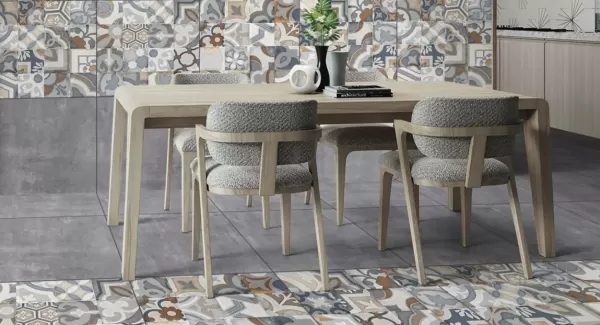
Modern printing technologies make it possible to reproduce intricate veins, textures, and patterns on GVT tiles. This makes them a popular choice for homeowners who want decorative surfaces that complement contemporary interiors.
GVT tiles are available in polished, matte, and other finishes, depending on the collection.
Key Features of GVT Tiles
- Decorative surfaces: The glazed layer provides opportunities for detailed colours and patterns.
- Multiple design options: Designs can imitate marble, wood, stone, and other materials.
- Different finishes: Options may include polished, matte, and textured surfaces.
- Low water absorption: Their vitrified body generally offers low porosity.
- Residential versatility: Suitable products can be used in living rooms, bedrooms, kitchens, bathrooms, and other areas.
Because the decorative glaze is part of the surface, its wear characteristics matter. For high-traffic or demanding applications, check the manufacturer’s specifications for abrasion resistance and suitability.
GVT Tiles vs Vitrified Tiles: Key Differences
The main difference is that GVT tiles are a specific type of vitrified tile. Therefore, the two categories are related rather than completely separate alternatives.
| Feature | GVT Tiles | Other Vitrified Tiles |
|---|---|---|
| Full form | Glazed Vitrified Tiles | Vitrified Tiles is the broader category |
| Tile body | Dense vitrified body | Dense vitrified body |
| Surface | Decorative glazed surface | Depends on the type of vitrified tile |
| Design options | Often offers detailed printed patterns | Varies by type and manufacturing method |
| Appearance | Marble, wood, stone, and other decorative looks | Can include uniform colours, patterns, and other finishes |
| Surface wear | Depends on the glaze and product specifications | Depends on the tile construction and finish |
| Maintenance | Generally straightforward with suitable cleaning | Generally straightforward with suitable cleaning |
| Applications | Floors and walls, where specified | Floors and walls, depending on the product |
| Cost | Varies by design, size, and finish | Varies by type, quality, size, and finish |
It is also important to understand that terms such as full-body vitrified tiles and double-charge vitrified tiles describe other product constructions. They should not be treated as interchangeable with GVT tiles.
GVT Tiles vs Vitrified Tiles: Which Is More Durable?
Durability is an important factor when selecting tiles for everyday use. However, it is not possible to declare that every GVT tile is more or less durable than every other vitrified tile.
Both categories can offer good performance when selected according to the intended application.
GVT tiles have a decorative glazed surface, so the glaze’s resistance to wear and abrasion is important. Other vitrified tile types may have different surface constructions, which can influence how wear appears over time.
For busy living rooms, hallways, shops, or commercial areas, check the manufacturer’s technical data for abrasion resistance, breaking strength, and recommended traffic levels where applicable.
Correct installation, suitable cleaning practices, and protection against impact damage also contribute to long-term performance.
Which Tiles Are Better for Different Rooms?
The best tile depends on the room’s functional requirements, design preferences, and exposure to moisture or foot traffic.
1. Living Room
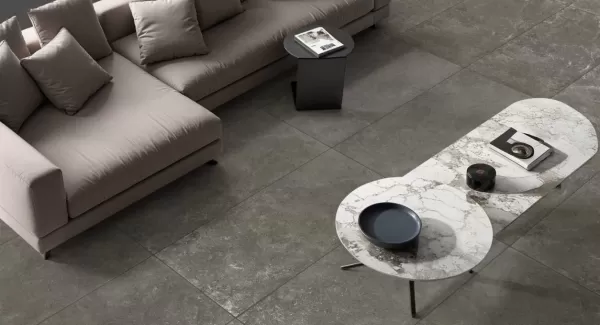
GVT tiles are a popular choice for living rooms because of their decorative flexibility. Marble-look, stone-look, and contemporary patterns can create an elegant floor.
Other vitrified tile types may also be suitable, depending on the desired appearance and technical specifications.
2. Bedroom
For bedrooms, consider tiles that complement the furniture and create a comfortable visual atmosphere. Light-coloured GVT designs can create a bright, contemporary appearance, while neutral vitrified tiles offer a simpler look.
Choose the size and finish according to the room layout and overall interior design.
3. Kitchen
Kitchen tiles should be easy to clean and suitable for everyday use. GVT tiles can work well on floors or walls when the selected product meets the application requirements.
For kitchen floors, consider slip resistance, cleaning needs, and exposure to water or cooking grease. For backsplashes, choose a surface that can be cleaned appropriately after cooking splashes.
4. Bathroom
Both GVT and other vitrified tile types may be suitable for bathroom walls or floors, depending on the product.
For shower floors and other wet areas, choose tiles specifically intended for those conditions and check the slip-resistance characteristics. A polished finish should not be selected for wet flooring based on appearance alone.
5. Commercial Spaces
Offices, showrooms, hotels, and retail stores may require tiles designed for heavier foot traffic.
Check the tile’s abrasion resistance, strength, maintenance requirements, and suitability for commercial use before purchasing. Product specifications are more useful than relying only on the GVT or vitrified label.
GVT Tiles vs Vitrified Tiles: Cost Comparison
The price of GVT and other vitrified tiles varies depending on several factors.
Important cost considerations include:
- Design: Detailed marble-look or stone-inspired patterns may have different price points from simpler designs.
- Size: Large-format tiles may cost more and can involve additional installation requirements.
- Finish: Polished, matte, and specialised finishes can affect pricing.
- Quality and specifications: Product construction, manufacturing standards, and performance characteristics influence cost.
- Installation: Labour, adhesive, grout, surface preparation, and cutting contribute to the total project cost.
Rather than comparing tiles by category alone, compare products with similar dimensions, specifications, and intended applications. Request a quotation that includes installation and related materials for a more accurate budget.
How to Choose the Right Tile for Your Home
Before finalising your selection, consider the following points:
- Identify the application: Determine whether the tiles will be used on floors, walls, or wet-area surfaces.
- Choose the design: Select colours and patterns that complement your interior style.
- Compare finishes: Consider polished, matte, or textured options based on appearance and functionality.
- Check technical specifications: Review water absorption, surface wear, strength, and slip resistance where relevant.
- Consider maintenance: Follow the manufacturer’s cleaning and care instructions.
- Set your budget: Include tile cost, installation, adhesive, grout, and wastage.
- Purchase from a reliable supplier: Check product details, shade consistency, and batch information before installation.
These steps can help you choose a product that balances appearance, functionality, and long-term value.
Explore GVT and Vitrified Tile Designs at Lavish Ceramics
Both GVT and other vitrified tile types offer useful options for modern homes. GVT tiles are especially attractive to homeowners who want decorative patterns inspired by marble, wood, or natural stone. Other vitrified tile types may be suitable when a particular construction, surface appearance, or performance characteristic is preferred.
Lavish Ceramics offers a range of tile designs to complement contemporary interiors. Explore available colours, sizes, patterns, and finishes to find suitable products for your living room, bedroom, kitchen, bathroom, or commercial project.
By considering the intended application and product specifications rather than relying on the category name alone, you can select tiles that meet your design goals and practical requirements.
Frequently Asked Questions
1. Are GVT tiles and vitrified tiles the same?
GVT tiles are a type of vitrified tile. They have a vitrified body with a decorative glazed surface. Other vitrified tiles may use different surface constructions.
2. Which is better, GVT or vitrified tiles?
Neither is universally better. GVT tiles offer extensive decorative possibilities, while other vitrified tile types may suit different design and performance requirements. Choose according to the application and product specifications.
3. Are GVT tiles suitable for flooring?
Yes. GVT tiles can be used for flooring when the specific product is designed for that application. Check its wear resistance, strength, and slip-resistance characteristics.
4. Are GVT tiles easy to maintain?
Many GVT tiles are relatively easy to clean with suitable products. Follow the manufacturer’s instructions and avoid cleaners that could damage the glaze or finish.
5. Are GVT tiles waterproof?
GVT tiles generally have a low-porosity vitrified body, but the exact water absorption characteristics depend on the product. Tile joints, grout, and the underlying installation also affect the overall water management of a surface.
6. Which tiles are best for bathrooms?
Choose tiles that are specifically suitable for bathroom use. For floors and shower areas, prioritise appropriate slip resistance, proper drainage, and correct waterproofing rather than selecting solely by tile category.
Similar Articles
Leave a Reply