
Browse products by
Filter By Type
Filter By Finish
Filter By Look
Filter By Application


Filter By Type
Filter By Look
Filter By Application
Filter By Size
Blog
How to Blend Moroccan Textures with Minimalist Decor?
Dec 2025
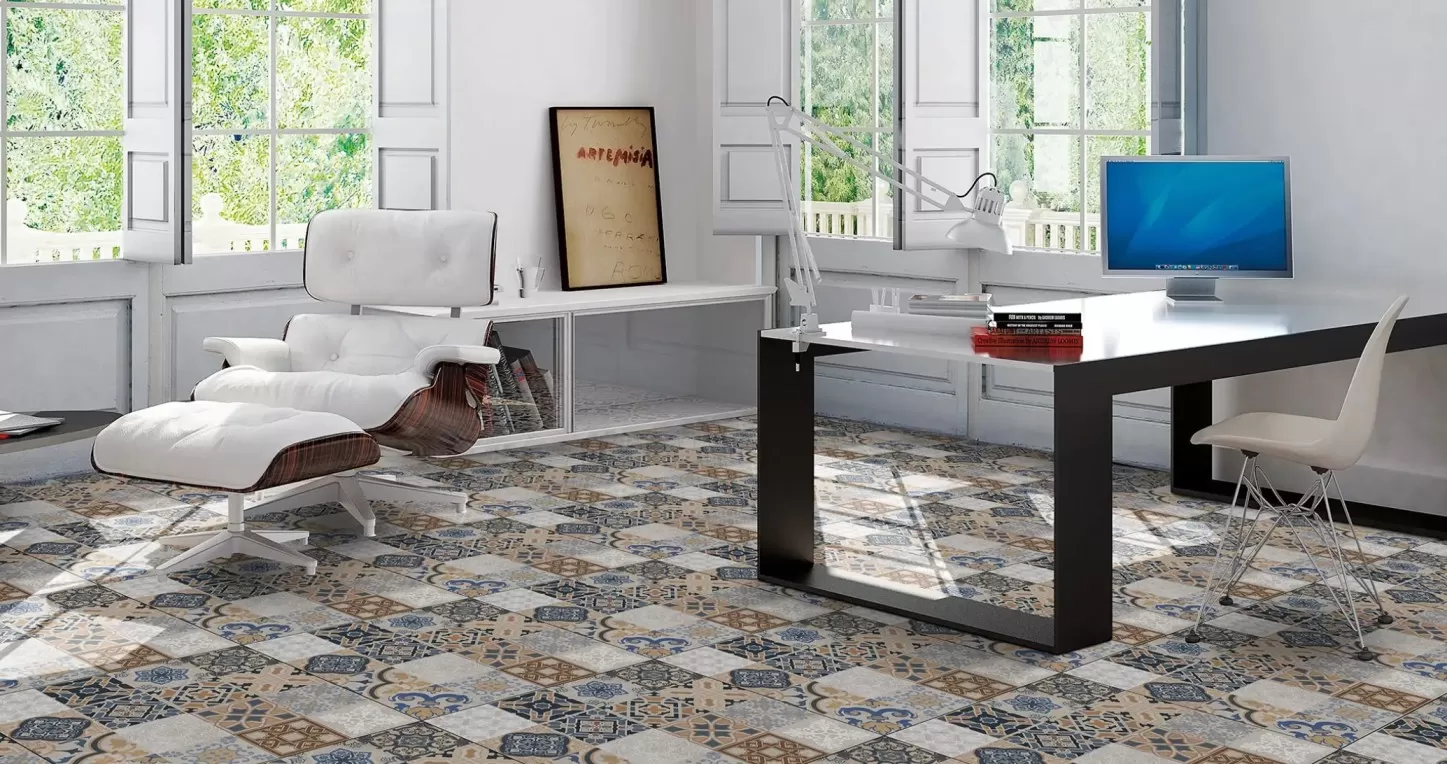
Minimalist interiors have gained immense popularity for their clarity, order, and understated elegance. Clean lines, open spaces, and muted palettes establish a calm environment where visual clutter fades away.
Yet, as soothing as these spaces are, many people still crave a touch of warmth and individuality. This growing interest has driven a significant shift toward integrating globally inspired elements into modern interiors. And one such favorite of all is Moroccan textured tiles.
Rooted in centuries of craftsmanship, Moroccan tile design is celebrated for its geometric patterns, rich symmetry, hand-crafted surface detail, and beautifully rhythmic motifs. The secret lies in creating harmony, not contrast, and embracing craftsmanship as an accent rather than a dominant theme.
This article explores practical and refined design strategies to blend Moroccan textures with minimalist decor to create spaces that feel warm, contemporary, and artistically elevated.
If you’re interested, let’s begin!
First, Let’s Understand The Moroccan Design Essence
Moroccan design reflects influences from Arab, Berber, Mediterranean, and Andalusian cultures.
The Moroccan aesthetic is characterized by its intricate geometry, handcrafted Zellige tiles, elaborate wood carving, refined metalwork, striking pattern arrangements, and colors inspired by natural landscapes, such as the desert, ocean, and historic mosaic art.
While the conventional palette includes royal blues, emerald greens, and burnt terracotta, Moroccan textured tiles today appear in softer tones suitable for modern interiors.
The most defining visual characteristic is repetition and geometry. Whether in floor tiles, wall cladding, or accent pieces, each pattern expresses craftsmanship, rhythm, and movement. When paired with minimalist structure, the result is a space that feels soulful yet organized.
Why Moroccan Floor Tiles Complement Minimalism?
Minimalism advocates purposeful design and the elimination of unnecessary elements. Moroccan patterns, when used intentionally, act as beautifully meaningful focal points.
The richness of detailed textures becomes an artistic layer within clean architectural lines. This approach prevents spaces from feeling sterile or visually flat.
Key benefits of blending Moroccan tiles within minimalist decor include:
- Gentle patterns that give spaces more depth and keep them from feeling flat.
- Textures that add warmth and a sense of human touch.
- Cultural details that tell stories and make simple spaces feel more meaningful.
- A soft balance between detailed surfaces and calm, clean surroundings.
Rather than competing, the two styles reinforce each other. Minimalist spaces allow Moroccan elements to shine, and Moroccan patterns soften the rigidity of minimalism.
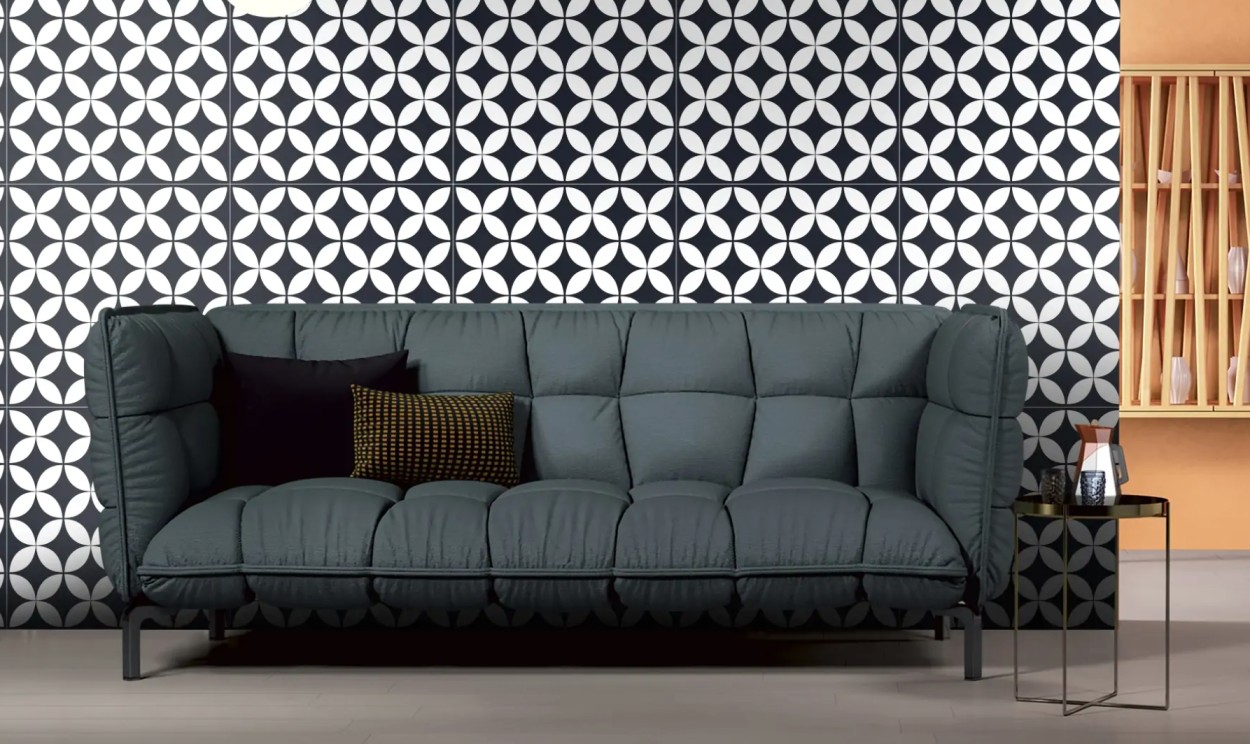
Choosing The Right Moroccan Tiles For Minimalist Spaces
When incorporating Moroccan textured tiles, selection becomes crucial. The goal is to select designs that complement a calm and neutral environment, rather than overwhelming it.
So, when selecting tiles for a minimalist home, these features work beautifully:
- Neutral or earthy tones like sand, beige, charcoal, stone grey, white, or muted sea blue.
- Geometric patterns with clean symmetry rather than overly ornate flourishes.
- Matte or satin finishes that maintain surface softness.
- Subtle motifs that create atmosphere without taking over.
High-quality floor tiles that capture Moroccan artistry in refined palettes can redefine a room with subtle character. Collections available from brands renowned for their contemporary ceramic craftsmanship, such as Lavish Ceramics, feature patterns designed specifically for modern architecture.
Such tiles make it easier to strike a balance between statement and simplicity, allowing designers to achieve an authentic Moroccan essence without disrupting minimalist flow.
Application Ideas To Blend Both Styles Seamlessly
Careful placement is key to creating a space where minimalist simplicity and Moroccan textures coexist beautifully.
The following design ideas show how to highlight Moroccan charm without disturbing the calm and clean lines of a minimalist interior.
- Feature Floor Tiles in Living and Dining Areas
Moroccan floor tiles work beautifully as the focal point of living or dining spaces. Keeping walls and furniture simple allows the patterns to stand out naturally.
Pair them with clean-lined furniture, soft fabrics, and neutral wall shades to create balance. Avoid overcrowding the space with extra decor so the craftsmanship of the tiles can truly shine.
- Accent Walls with Thoughtful Patterns
A single Moroccan tile wall behind a sofa, kitchen counter, or bathroom vanity adds instant character.
Limiting patterned walls prevents the room from feeling busy while drawing attention to the textures and colors.
Choose a wall that naturally catches the eye and let the surrounding decor stay calm to highlight the tile’s beauty.
- Layer Minimal Furnishings with Textured Surfaces
Simple furniture, such as wood, metal, or neutral fabrics, pairs best with Moroccan tiles. This keeps the focus on the patterns while maintaining an open, functional space.
Avoid heavy or ornate pieces that could compete with the tiles. Using minimal furnishings lets the textures bring warmth and personality to the room.
- Bathrooms and Foyers as Expression Zones
Smaller spaces are ideal for experimenting with bolder Moroccan patterns. A bathroom wall, shower area, or foyer floor can become a statement without overwhelming the space.
Balance these intricate designs with plain walls or soft textures to create a sense of depth, warmth, and luxury even in compact areas.
- Soft Lighting and Natural Materials
Warm lighting, linen drapes, light-toned rugs, and natural accents such as terracotta planters complement Moroccan tiles perfectly. These elements soften the look, create harmony, and make the space feel welcoming.
Avoid overly harsh lighting, which can make patterns feel too intense, and let natural textures enhance the overall comfort of the room.
Color And Material Pairings For Perfect Harmony
To maintain serenity, combine Moroccan surfaces with minimalist tones and materials.
Key material recommendations include:
- White or beige walls with patterned Moroccan floor tiles.
- Light natural wood with sand-toned geometric textures.
- Concrete finishes with charcoal or monochrome Moroccan motifs.
- Metal frames in black or brass with soft-patterned accent walls.
- Matte ceramics and linen fabrics with muted mosaic tile details.
Working with Scale and Proportion
Too many patterns can overwhelm. Proportion guidelines include:
- Use Moroccan tiles in less than 30 percent of the total surface area.
- Keep large furniture simple when surfaces are detailed.
- Maintain consistent spacing and geometry across linear elements.
Good scale management ensures a polished and thoughtful outcome.
Creating A Cohesive Narrative Across Spaces
The most successful interior designs feel unified rather than assembled from fragments.
This cohesion emerges from the repetition of patterns, materials, or palettes across different areas. Moroccan tiles can be applied selectively yet consistently, for example:
- A patterned floor with Moroccan floor tiles in the entry.
- A patterned backsplash in the kitchen.
- A patterned shower wall in the bathroom.
Each space connects visually, forming a rhythmic sequence aligned with minimalist clarity.
Wrapping Up
Blending Moroccan textures with minimalist decor is all about adding depth and personality without letting the space feel heavy or crowded. When used with balanced proportions, soft color palettes, and intentional placement, they help create rooms that feel warm, curated, and full of life.
Moroccan textured tiles offer a refined way to achieve this look, and the high-quality selections from Lavish Ceramics make it easier for homeowners, designers, and architects to build interiors that feel stylish, well-considered, and beautifully put together.
Similar Articles
Leave a Reply