
Browse products by
Filter By Type
Filter By Finish
Filter By Look
Filter By Application


Filter By Type
Filter By Look
Filter By Application
Filter By Size
Blog
Double Charge Tiles: Manufacturing Process, Features and Applications
Nov 2026

Choosing the right flooring is essential for creating durable and attractive residential and commercial spaces. Among the different types of vitrified tiles available, double charge tiles are known for their distinctive manufacturing process, decorative surface layer, and suitability for various flooring applications.
These tiles are commonly considered for homes, offices, showrooms, hotels, and commercial buildings where a combination of appearance and practical performance is important.
But what exactly are double charge tiles? How are they manufactured, and what makes them different from other vitrified tiles such as GVT and full-body vitrified tiles?
In this guide, Lavish Ceramics explains the manufacturing process, important features, advantages, applications, and selection tips to help you understand double charge tiles before making a purchase.
What Are Double Charge Tiles?
Double charge tiles are a type of vitrified tile manufactured by pressing two layers of material together during production. The upper decorative layer is generally thicker than the surface decoration used in some other tile manufacturing processes.
This process creates a tile with a decorative layer integrated into its body rather than relying entirely on a thin printed surface.
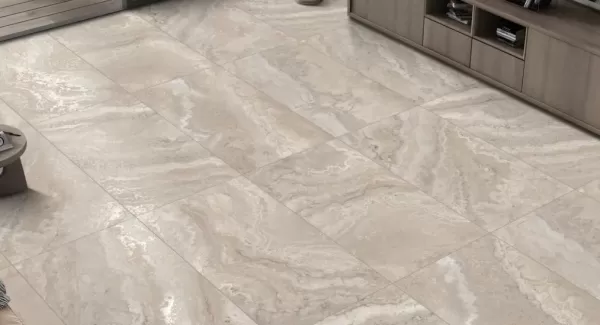
Double charge vitrified tiles are commonly available in marble-inspired, stone-inspired, granular, and relatively uniform designs.
They are often considered for flooring applications where a consistent decorative appearance and suitable wear performance are required. However, actual performance depends on the tile’s manufacturing quality, specifications, and intended application.
How Are Double Charge Tiles Manufactured?
The manufacturing process is one of the defining characteristics of double charge tiles. Although production methods can vary between manufacturers, the general process involves the following stages.
1. Raw Material Preparation
The manufacturing process begins with selecting and preparing raw materials such as clay, feldspar, silica, and other minerals.
These materials are measured and blended according to the required composition. Their quality and proportions influence the physical characteristics of the finished tile.
2. Grinding and Mixing
The raw materials are ground into a fine mixture, generally using industrial grinding equipment.
Water and other required processing materials may be added to create a suitable slurry. The mixture is then processed further to achieve the consistency needed for subsequent manufacturing stages.
3. Spray Drying
The prepared slurry is passed through a spray dryer, where hot air removes excess moisture and converts it into fine granules.
These granules have properties suitable for pressing and help achieve consistent material distribution during tile formation.
4. Double-Layer Material Feeding
This is the most important stage that distinguishes double charge tile production.
Two layers of material are fed into the pressing system:
- Base layer: Forms the main body of the tile and provides its structural foundation.
- Decorative layer: Contains selected colours and materials to create the intended surface appearance.
The decorative material is applied as a thicker layer compared with certain surface-printing methods.
The two layers are then pressed together to form a single tile body.
5. High-Pressure Pressing
The combined material is compressed under high pressure using industrial hydraulic presses.
This process gives the tile its required dimensions, thickness, and initial shape. Proper pressing is important for achieving uniform density and reducing manufacturing defects.
6. Drying and Firing
After pressing, the tiles are dried to remove excess moisture.
They are then fired in high-temperature kilns. The firing process helps develop the dense vitrified body and the required physical properties.
Temperature and firing conditions are carefully controlled according to the tile composition and manufacturing specifications.
7. Surface Finishing
Depending on the product design, the tiles may undergo additional finishing processes such as polishing, calibration, or edge processing.
These operations help achieve the required surface appearance, dimensions, and finish.
8. Quality Inspection and Packaging
The finished tiles are inspected for dimensions, thickness, surface defects, shade consistency, and other quality parameters.
Products that meet the required quality standards are sorted, packed, and prepared for distribution.
Key Features of Double Charge Tiles
Double charge tiles offer several characteristics that make them suitable for different flooring applications.
1. Thicker Decorative Layer
One of the main features is the thicker decorative layer integrated into the tile during pressing.
This construction can provide more decorative material than certain surface-printing methods. However, it does not mean the entire tile has the same colour or pattern throughout its thickness, as with full-body vitrified tiles.
2. Vitrified Tile Body
Double charge tiles have a vitrified body manufactured through high-temperature firing.
Their dense construction generally results in low water absorption. Exact performance should be confirmed through the manufacturer’s technical specifications.
3. Suitable for Selected High-Traffic Areas
Double charge tiles are often considered for commercial and residential flooring.
Their suitability for busy areas depends on abrasion resistance, strength, finish, and the expected level of foot traffic.
Always check the product’s technical specifications before using it in demanding environments.
4. Consistent Decorative Appearance
The double-layer manufacturing process allows manufacturers to create selected decorative patterns and colour combinations.
These designs can offer a relatively consistent appearance across larger flooring installations, although shade and pattern variations may still occur between production batches.
5. Different Colours and Designs
Double charge tiles are available in a range of colours and patterns, including beige, grey, white, black, and selected stone-inspired designs.
They are suitable for interiors where homeowners prefer a relatively uniform and understated flooring appearance.
6. Everyday Maintenance
Many double charge vitrified tiles can be maintained through regular sweeping and damp mopping with suitable cleaning products.
Maintenance requirements depend on the surface finish and grout. Follow the manufacturer’s cleaning recommendations to preserve the appearance of the flooring.
Benefits of Double Charge Tiles
Some of the key benefits include:
- Integrated decorative layer: The decorative material is incorporated during the pressing process.
- Dense vitrified body: Generally offers low water absorption.
- Versatile flooring applications: Suitable products can be used in residential and commercial spaces.
- Design options: Available in different colours and selected decorative patterns.
- Practical maintenance: Many products can be cleaned using suitable household cleaning solutions.
- Consistent appearance: Useful for projects that require coordinated flooring across larger areas.
It is important to remember that the quality and performance of double charge tiles vary between products. Technical specifications should always guide the final selection.
Applications of Double Charge Tiles
Double charge tiles can be used in several types of residential and commercial environments.
1. Living Rooms
Double charge tiles can provide a neat and coordinated flooring appearance in living rooms.
Neutral colours such as beige, cream, and grey work well with contemporary furniture and minimalist interiors.
2. Bedrooms
For bedrooms, consider light-coloured double charge tiles that complement wardrobes, beds, and other furniture.
Their relatively simple designs can create a clean and uncluttered appearance.
3. Offices
Offices often require flooring that can handle regular foot traffic while maintaining a professional appearance.
Double charge tiles may be suitable for selected office areas when their wear and strength specifications meet the expected requirements.
4. Shopping Malls and Showrooms
Retail environments and showrooms require flooring that complements the displayed products and overall interior design.
Double charge tiles can be considered for these spaces after checking the expected traffic levels, abrasion resistance, and maintenance requirements.
5. Hotels and Commercial Buildings
Hotels, reception areas, and commercial buildings often use coordinated flooring to create a professional atmosphere.
Double charge tiles can be suitable for selected areas, depending on their technical specifications and the design requirements of the project.
6. Corridors and Entrance Areas
Corridors and entrance areas experience regular movement, making flooring selection particularly important.
Choose products designed for the expected traffic and consider suitable slip resistance, especially near entrances exposed to rain or moisture.
Double Charge Tiles vs GVT Tiles vs Full-Body Vitrified Tiles
Understanding the differences between these tile categories can help you choose the right product.
| Feature | Double Charge Tiles | GVT Tiles | Full-Body Vitrified Tiles |
|---|---|---|---|
| Manufacturing | Two layers of material are pressed together | Vitrified body with a decorative glaze | Colour or design characteristics extend through the body |
| Decorative layer | Relatively thick integrated layer | Decorative glazed surface | Not limited to a separate decorative surface layer |
| Design options | Often relatively uniform patterns | Extensive printed patterns and designs | Depends on body composition and manufacturing |
| Appearance | Granular, stone-inspired, and selected decorative designs | Marble, wood, stone, and other detailed patterns | Often uniform or body-integrated patterns |
| Applications | Selected residential and commercial flooring | Floors and walls, where specified | Floors and other suitable applications |
| Surface wear | Depends on the decorative layer and product specifications | Depends on glaze and product specifications | Depends on the tile’s composition and finish |
Important distinction: Double charge tiles and full-body vitrified tiles are not the same. Double charge tiles have a thicker decorative layer, whereas full-body tiles have colour or pattern characteristics extending through the tile body.
How to Choose the Right Double Charge Tiles?
Before purchasing double charge tiles, consider the following factors:
- Application: Decide whether the tiles will be installed in a home, office, showroom, or other commercial area.
- Durability: Check abrasion resistance, breaking strength, and suitability for the expected traffic.
- Tile size: Select dimensions that complement the room layout and installation requirements.
- Colour: Choose shades that coordinate with furniture, walls, and other interior elements.
- Surface finish: Compare polished and other available finishes based on appearance, cleaning, and slip resistance.
- Technical specifications: Review water absorption, thickness, dimensional tolerances, and other relevant product information.
- Budget: Consider the tile price along with adhesive, grout, labour, and installation costs.
- Manufacturer reliability: Check product details, quality information, shade consistency, and warranty conditions where available.
Maintenance Tips for Double Charge Tiles
Proper maintenance helps keep tiled surfaces looking attractive.
- Sweep or vacuum regularly to remove dust and loose particles.
- Clean floors with a mild cleaning solution suitable for the tile finish.
- Wipe spills promptly to prevent residue from accumulating.
- Avoid harsh chemicals and abrasive cleaning tools unless approved by the manufacturer.
- Clean grout lines using appropriate products.
- Use protective pads under furniture to minimise scratches and impact damage.
- Follow the manufacturer’s recommendations for specialised surface finishes.
Choose Quality Tile Designs with Lavish Ceramics
Double charge tiles are a practical flooring option for homeowners and commercial project developers looking for vitrified tiles with an integrated decorative layer. Their manufacturing process, design possibilities, and dense tile body make them worth considering for selected residential and commercial applications.
Lavish Ceramics offers a range of tile designs to complement modern architectural and interior preferences. Explore different colours, patterns, sizes, and finishes to find suitable flooring for your project.
Before making your final selection, compare technical specifications, intended applications, maintenance requirements, and installation conditions. Choosing the right tile can help create attractive flooring that meets your project’s functional and aesthetic needs.
Frequently Asked Questions
1. What are double charge tiles?
Double charge tiles are vitrified tiles manufactured by pressing two layers of material together. The decorative upper layer is thicker than the surface decoration used in certain other tile manufacturing methods.
2. Are double charge tiles durable?
They can offer good durability when manufactured to appropriate standards and selected for suitable applications. Their performance depends on the product’s construction, abrasion resistance, and installation quality.
3. What is the difference between double charge and full-body vitrified tiles?
Double charge tiles have a thicker decorative layer integrated with the base, whereas full-body vitrified tiles have colour or pattern characteristics extending through the tile body.
4. Are double charge tiles suitable for commercial spaces?
Yes, selected double charge tiles can be used in offices, showrooms, hotels, and other commercial areas. Check the product’s technical specifications against the expected foot traffic.
5. Are double charge tiles easy to maintain?
Many double charge tiles are relatively easy to clean with suitable products. Follow the manufacturer’s recommendations for the specific surface finish.
6. Are double charge tiles suitable for bathrooms?
They may be suitable for certain bathroom applications if the product is designed for that use. For bathroom flooring and shower areas, check slip resistance and follow appropriate waterproofing and installation practices.
Similar Articles
Leave a Reply