
Browse products by
Filter By Type
Filter By Finish
Filter By Look
Filter By Application


Filter By Type
Filter By Look
Filter By Application
Filter By Size
Blog
How to Choose the Right Marble Tiles for Floors and Walls?
Oct 2026

Marble has long been associated with luxury, elegance, and timeless interior design. From sophisticated living rooms to stylish bathrooms and contemporary kitchens, marble-inspired surfaces can transform the appearance of any space. However, choosing the right marble tiles for floors and walls requires more than selecting an attractive colour or pattern. Tile size, finish, application, durability, maintenance, and budget all play important roles in achieving the desired result.
Today, marble-look tiles are available in a wide variety of colours, textures, and finishes, making it easier to create elegant interiors that suit different design preferences. Whether you prefer classic white marble patterns, warm beige tones, or dramatic black designs, the right selection can help you create a cohesive and functional home.
Lavish Ceramics offers a range of tile designs for modern residential and commercial interiors. In this guide, we explain how to choose marble tiles for floors and walls, compare different finishes, and share practical tips for selecting the best option for your space.
1. Understand the Difference Between Natural Marble and Marble-Look Tiles
Before choosing your tiles, it is important to understand the available options.
Natural marble is a stone formed through geological processes. It features distinctive veins and variations that make every piece unique. However, it can require specialised care because marble is susceptible to acidic substances, staining, and surface etching.
Marble-look tiles are manufactured products designed to recreate the appearance of natural marble. Depending on the product, they may be made from ceramic or porcelain and are available in different sizes, finishes, and patterns.
Many marble-look tiles offer straightforward everyday maintenance, although their performance depends on the material, surface finish, and product specifications.
Which should you choose? Natural marble may appeal to homeowners who value authentic stone, while marble-look tiles can provide a practical alternative with a wider selection of designs and potentially simpler maintenance.
2. Choose the Right Marble Tile Colour
Colour is one of the most important considerations when selecting marble tiles. The right shade can influence how spacious, bright, warm, or dramatic a room feels.
White Marble Tiles
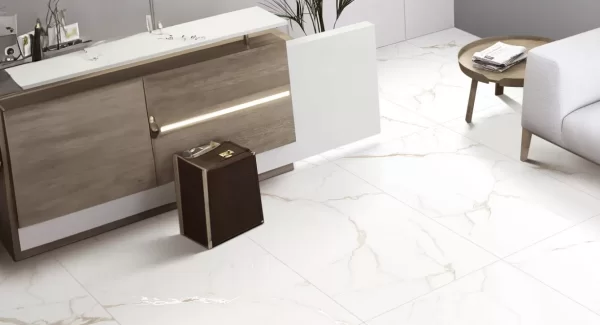
White marble tiles are a popular choice for modern interiors. Their bright appearance and subtle veining work well in living rooms, bathrooms, kitchens, and hallways.
White marble-look tiles with grey veins complement minimalist furniture, metallic accents, and neutral décor.
Beige Marble Tiles
Beige marble tiles create a warm, inviting atmosphere. They are particularly suitable for living rooms, bedrooms, and spaces featuring wooden furniture or earthy colour palettes.
Cream and beige tones can also complement traditional and contemporary interiors.
Grey Marble Tiles
Grey marble tiles offer a sophisticated, modern appearance. Light grey designs create a subtle finish, while darker shades introduce contrast and depth.
They work well with white cabinets, black fittings, and contemporary furniture.
Black Marble Tiles
Black marble tiles can create a bold, luxurious statement. Designs with contrasting white or gold-inspired veins are especially striking on feature walls and selected flooring areas.
For smaller rooms, consider balancing dark tiles with lighter walls, mirrors, and suitable lighting.
3. Select the Right Finish for Floors and Walls
The finish of a marble tile affects its appearance, light reflection, maintenance, and suitability for different applications.
Polished Marble-Look Tiles
Polished tiles have a smooth, reflective surface that can enhance the sense of brightness and create an elegant finish.
They are often chosen for living room floors, feature walls, and decorative interiors. However, polished surfaces may become slippery when wet, so check the product’s suitability before using them on bathroom or other wet-area floors.
Matte Marble-Look Tiles
Matte tiles offer a softer, less reflective appearance. They suit contemporary interiors and can work well in spaces where a subtle finish is preferred.
For flooring, choose a product with suitable slip-resistance characteristics for the intended application.
Textured Marble-Look Tiles
Textured finishes add tactile detail and visual depth. Depending on their design, they may be suitable for selected feature walls or specific flooring applications.
Consider how easily the surface can be cleaned, particularly in kitchens, bathrooms, and other areas exposed to dust or moisture.
Important: Never select flooring based on appearance alone. Review the manufacturer’s technical specifications and recommendations for the intended use.
4. Choose the Right Tile Size
Tile size can significantly influence the overall appearance of a room.
Large-format marble-look tiles are popular in modern homes because they can reduce the number of visible grout lines, creating a more continuous appearance. They are particularly effective in spacious living rooms, expansive walls, and contemporary bathrooms.
Medium-sized tiles can offer greater flexibility in rooms with complex layouts. Smaller formats may be useful for specific decorative details or areas requiring more intricate cuts.
When selecting tile dimensions, consider:
- The total floor or wall area.
- The room’s shape and layout.
- Doorways, corners, columns, and other obstacles.
- Drainage requirements in wet areas.
- The suitability of the substrate and installation method.
Large-format tiles may require additional handling equipment and specialised installation skills, so factor these requirements into your budget.
5. Select Marble Tiles According to the Room
Different rooms have different functional requirements. The ideal marble tile for a living room may not be suitable for every bathroom or kitchen surface.
Marble Tiles for Living Rooms
Living rooms are ideal spaces for creating a sophisticated look with marble-inspired flooring. White, beige, and light grey tiles can complement contemporary furniture and make the space feel visually open.
For a statement interior, consider a marble-look television feature wall that coordinates with the floor.
Marble Tiles for Bedrooms
In bedrooms, marble-look tiles can create a refined and uncluttered appearance. Beige and cream tones are particularly suitable for warm, relaxing interiors.
Coordinate the tile colour with wardrobes, bed frames, curtains, and other furnishings for a cohesive design.
Marble Tiles for Kitchens
Marble-look tiles can work well on kitchen floors and backsplashes when the selected product is suitable for the application.
For a balanced look, pair patterned wall tiles with simpler flooring or combine white marble-look tiles with neutral cabinetry.
Kitchen flooring should be selected with attention to cleaning requirements and slip resistance, particularly where water or cooking grease may be present.
Marble Tiles for Bathrooms
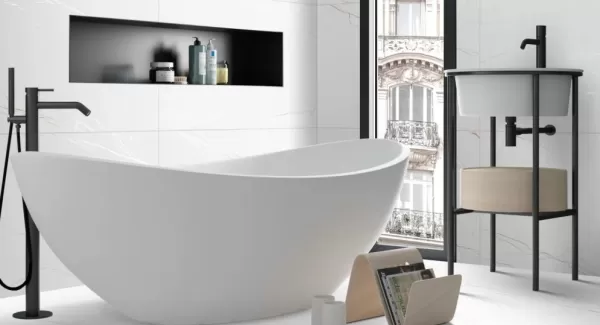
Marble-look tiles can give bathrooms an elegant, spa-inspired appearance. White and grey combinations create a fresh, contemporary look, while beige tones provide warmth.
For shower floors and other wet areas, choose tiles specifically suitable for those applications and check their slip-resistance characteristics. Proper waterproofing and drainage are also essential.
6. Match Floor and Wall Marble Tiles
Floor and wall tiles do not need to be identical. In many interiors, combining complementary designs creates a more balanced appearance.
For example, white marble-look wall tiles can be paired with light grey flooring. Beige marble-inspired walls can work well with cream floor tiles, while a dark feature wall can be balanced with lighter surrounding surfaces.
Consider these design principles:
- Use one dominant pattern: Avoid combining multiple highly prominent marble patterns in the same space.
- Balance light and dark shades: Contrasting colours can define different areas without overwhelming the room.
- Coordinate undertones: Warm beige designs generally pair well with other warm neutrals, while cool grey designs often complement cooler palettes.
- Consider grout colour: A complementary grout shade can help maintain visual continuity.
- Test samples: Examine tile samples under your room’s lighting before finalising the selection.
7. Consider Durability and Maintenance
A beautiful tile should also meet the practical needs of the space.
Before purchasing, check the tile’s intended application, water absorption characteristics where relevant, surface finish, cleaning requirements, and other manufacturer specifications.
For everyday maintenance:
- Sweep or vacuum floors regularly to remove loose dirt and grit.
- Use a suitable mild cleaner recommended for the tile.
- Clean spills promptly, especially in kitchens and dining areas.
- Maintain grout lines according to the manufacturer’s instructions.
- Use protective pads under furniture to help prevent scratches and impact damage.
- Avoid harsh chemicals or abrasive cleaning tools unless approved for the specific surface.
Many glazed ceramic and porcelain marble-look tiles do not require the same care as natural marble. However, natural stone and specialised finishes may require additional treatments, so follow product-specific guidance.
8. Set a Budget Before Buying Marble Tiles
Your budget should include more than the tile price. The overall project cost may include adhesive, grout, labour, surface preparation, cutting, transport, and wastage.
The price of marble tiles and marble-look tiles varies depending on material, size, finish, design, and brand. Large-format and premium designs may involve higher material or installation costs.
To plan effectively, measure the area, determine the required tile quantity, and request an itemised quotation. It is also sensible to retain a small number of spare tiles from the same batch for potential future repairs.
9. Avoid Common Marble Tile Selection Mistakes
A few simple precautions can help you make a better decision:
- Do not choose floor tiles without checking their slip resistance.
- Avoid selecting tile colours based only on online photographs; lighting can affect their appearance.
- Do not overlook grout joints and installation requirements.
- Avoid mixing too many contrasting patterns in a small room.
- Confirm that the tile is suitable for the intended wall, floor, or wet-area application.
- Use qualified installers, particularly for large-format tiles and demanding installations.
Careful planning helps ensure that the finished space looks cohesive and performs well for everyday use.
Find the Right Marble Tiles with Lavish Ceramics
Choosing the right marble tiles for floors and walls involves balancing design, performance, maintenance, and cost. From elegant white marble-inspired surfaces to warm beige designs and dramatic black patterns, there are options to complement almost every interior style.
Lavish Ceramics offers a variety of tile designs to help homeowners, architects, and interior designers explore different colours, patterns, and finishes. Consider your room’s dimensions, lighting, intended use, and overall décor before selecting a collection.
With the right tile selection and professional installation, you can create an elegant, coordinated interior that reflects your personal style.
Frequently Asked Questions
1. Which marble tiles are best for flooring?
The best option depends on the room and its requirements. Consider the tile’s durability specifications, surface finish, maintenance needs, and slip resistance, particularly in wet areas.
2. Are marble-look tiles suitable for walls?
Yes. Marble-look tiles are widely used on living room feature walls, kitchen backsplashes, bathroom walls, and other suitable interior surfaces.
3. Are polished marble tiles suitable for bathrooms?
Polished tiles can be suitable for certain bathroom walls, but polished flooring may become slippery when wet. Select a floor tile with appropriate slip resistance for the intended application.
4. Are marble-look tiles easier to maintain than natural marble?
Many ceramic and porcelain marble-look tiles are easier to maintain because they generally do not require the same specialised care as natural marble. Exact requirements depend on the product and finish.
5. How do I match marble floor and wall tiles?
Choose complementary colours, coordinate warm or cool undertones, and balance prominent patterns with simpler surfaces. Testing samples under your room’s lighting can help you make the right choice.
Similar Articles

Leave a Reply