
Browse products by
Filter By Type
Filter By Finish
Filter By Look
Filter By Application


Filter By Type
Filter By Look
Filter By Application
Filter By Size
Blog
Marble vs Tiles: Which Should You Choose?
Jun 2026
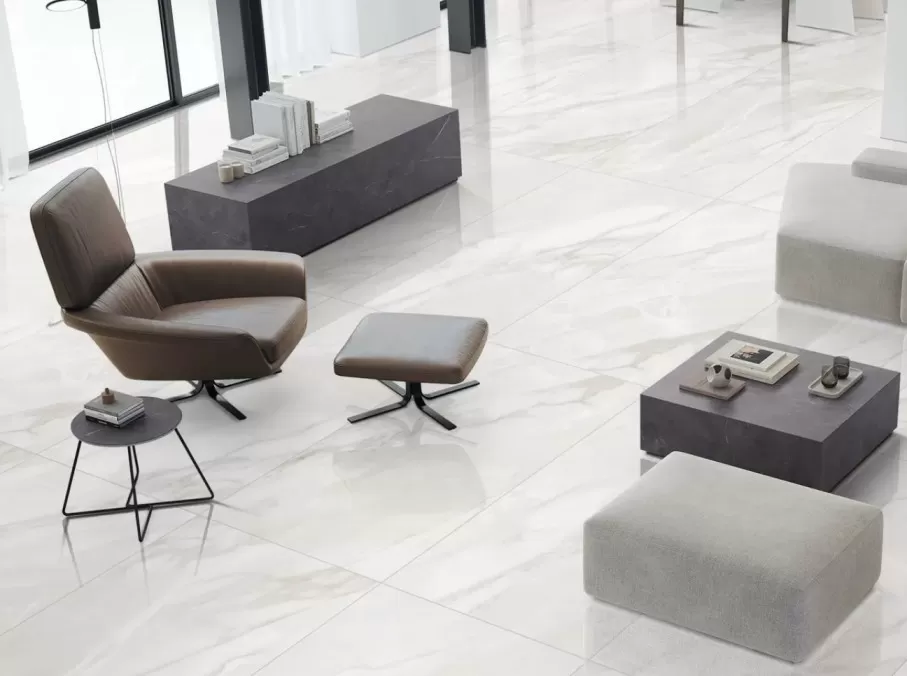
When designing a home or commercial space, flooring and wall surfaces play a major role in defining the overall look and feel of the interior. One of the most common questions homeowners, architects, and builders ask is: Marble vs tiles, which should you choose?
Both marble and tiles are popular choices for flooring, walls, kitchens, bathrooms, and luxury interiors. Marble is admired for its natural beauty and timeless elegance, while modern tiles offer exceptional durability, design versatility, and low maintenance.
If you are confused between tiles vs marble, understanding their differences in terms of appearance, cost, durability, maintenance, and long-term value will help you make the right choice for your project.
What Is Marble?
Marble is a natural stone formed from limestone under heat and pressure over millions of years. It is known for its luxurious appearance, natural veining, and unique texture.
Since marble is a natural material, every slab has distinct patterns and color variations, making each installation unique.
Common Types of Marble
- Italian Marble
- Indian Marble
- White Marble
- Black Marble
- Beige Marble
- Green Marble
Marble has long been associated with luxury homes, premium hotels, and high-end commercial spaces.
What Are Tiles?
Tiles are manufactured surface materials made using clay, minerals, silica, feldspar, and other raw materials. Modern tiles are available in multiple types, including:
- Porcelain tiles
- Ceramic tiles
- Vitrified tiles
- Full-body tiles
- Glazed tiles
- Large-format slabs
Today’s premium tiles can beautifully replicate natural marble, stone, wood, concrete, and onyx surfaces.
At Lavish Ceramics, advanced tile collections are designed to offer luxurious aesthetics with superior performance.
Marble vs Tiles: Appearance
Appearance is often the first factor people consider.
Marble Appearance
Marble is naturally beautiful.
Its main aesthetic advantages include:
- Natural veining
- Unique patterns
- Luxury appeal
- Elegant surface texture
Because it is natural stone, no two marble slabs are identical.
This exclusivity makes marble attractive for premium interiors.
Tiles Appearance
Modern tile manufacturing has evolved significantly.
Today’s premium porcelain tiles can replicate:
- Marble textures
- Onyx surfaces
- Travertine stone
- Wooden planks
- Concrete aesthetics
Large-format tiles create seamless surfaces that closely resemble natural stone.
Winner: Tie
If you prefer natural uniqueness, marble wins.
If you want more design options and consistency, tiles are better.
Difference Between Marble and Tiles in Durability
Durability is a major deciding factor for flooring.
Marble Durability
Marble is strong but softer than porcelain or vitrified tiles.
It can be vulnerable to:
- Scratches
- Stains
- Acid damage
- Surface wear over time
High-traffic areas may gradually lose polish.
Tiles Durability
Premium tiles especially porcelain tiles are highly durable.
They offer:
- Scratch resistance
- Stain resistance
- Impact resistance
- High compressive strength
Tiles perform exceptionally well in:
- Homes
- Offices
- Hotels
- Shopping malls
- Commercial spaces
Winner: Tiles
In terms of long-term durability, tiles usually outperform marble.
Water Resistance
Water absorption is crucial, especially in wet areas.
Marble
Marble is porous.
This means it can absorb:
- Water
- Oil
- Chemicals
- Stains
Without sealing, marble may discolor over time.
Tiles
Porcelain and vitrified tiles have very low water absorption.
This makes them ideal for:
- Bathrooms
- Kitchens
- Outdoor areas
- Swimming pool zones
- Facades
Winner: Tiles
Tiles offer significantly better moisture resistance.
Maintenance Comparison
Maintenance affects long-term convenience and cost.
Marble Maintenance
Marble requires regular care.
Maintenance usually includes:
- Sealing
- Polishing
- Special cleaners
- Immediate stain removal
Acidic liquids like lemon or vinegar can damage marble surfaces.
Tiles Maintenance
Tiles are much easier to maintain.
They generally need:
- Sweeping
- Mopping
- Regular cleaning
No special polishing or sealing is required for most premium tiles.
Winner: Tiles
For low-maintenance living, tiles are clearly better.
Cost Comparison: Marble vs Tiles
Budget matters in every construction project.
Marble Cost
Marble is often more expensive because of:
- Quarry extraction
- Transportation
- Cutting and polishing
- Installation complexity
- Maintenance costs
Premium imported marble can be especially expensive.
Tile Cost
Tiles are available across multiple price ranges.
You can find:
- Budget-friendly tiles
- Mid-range premium tiles
- Luxury large-format porcelain slabs
Tiles offer better cost flexibility.
Winner: Tiles
Tiles usually provide better value for money.
Installation Comparison
Installation quality impacts final appearance and performance.
Marble Installation
Marble installation requires skilled labor because of:
- Heavy slabs
- Cutting complexity
- Surface leveling
- Polishing requirements
Installation is time-consuming.
Tile Installation
Tiles are easier and faster to install.
Modern tile systems allow:
- Precise sizing
- Faster laying
- Cleaner joints
- Efficient labor costs
Large-format tiles also create elegant monolithic looks.
Winner: Tiles
Tiles are generally easier and faster to install.
Design Flexibility
Modern design projects demand flexibility.
Marble Design Limitations
Marble designs are limited to naturally available patterns and colors.
Customization is restricted by nature.
Tiles Design Advantages
Tiles offer unlimited design possibilities.
Popular styles include:
- Marble-look tiles
- Onyx-look tiles
- Stone-look tiles
- Wood-look tiles
- Architectural slabs
- Decorative wall tiles
At Lavish Ceramics, designers can choose from extensive premium collections suitable for every design concept.
Winner: Tiles
Tiles offer far more design flexibility.
Indoor vs Outdoor Use
Marble
Best suited for:
- Luxury living rooms
- Bedrooms
- Feature walls
- Premium interiors
Outdoor use can be challenging because of weather exposure.
Tiles
Tiles work in almost every environment.
Suitable for:
- Living rooms
- Kitchens
- Bathrooms
- Outdoor patios
- Facades
- Commercial buildings
Winner: Tiles
Tiles are more versatile.
Which Option Adds More Value?
This depends on the project.
Choose Marble if you want:
- Natural luxury
- Unique veining
- Premium traditional appeal
- Exclusive stone aesthetics
Choose Tiles if you want:
- Better durability
- Lower maintenance
- More design options
- Better water resistance
- Cost efficiency
- Long-term performance
Why More Modern Projects Choose Tiles
The modern construction industry increasingly prefers premium porcelain tiles over marble.
Why?
Because tiles offer the visual beauty of marble without its limitations.
Benefits include:
- Lower maintenance
- Better durability
- Higher stain resistance
- Superior moisture resistance
- Consistent finish
- Lower lifecycle cost
This makes tiles a practical yet luxurious choice.
Why Choose Lavish Ceramics?
Lavish Ceramics is a leading manufacturer and exporter of premium porcelain tiles from India, known for world-class design and quality.
Why Lavish Ceramics?
- Luxury porcelain tile collections
- Large-format slabs
- Marble-inspired surfaces
- Onyx collections
- Wooden plank tiles
- Advanced manufacturing technology
- Global export expertise
From polished marble-look porcelain to architectural surfaces and monolithic slabs, Lavish Ceramics offers premium tile solutions for modern projects worldwide.
Final Thoughts
When comparing marble vs tiles, both materials offer unique benefits. Marble delivers timeless natural beauty and exclusivity, while tiles provide superior durability, easy maintenance, affordability, and exceptional design flexibility.
Understanding the difference between marble and tiles helps you make a smarter decision based on your design goals, lifestyle, and budget.
For most modern residential and commercial projects, premium porcelain tiles have become the preferred choice because they combine luxury aesthetics with practical performance. If you want the elegant appearance of marble with better durability and lower maintenance, high-quality tiles from Lavish Ceramics are an excellent investment.
Similar Articles
Leave a Reply