
Browse products by
Filter By Type
Filter By Finish
Filter By Look
Filter By Application


Filter By Type
Filter By Look
Filter By Application
Filter By Size
Blog
Complete Guide to Wooden Tiles: Types, Uses & Where to Buy
May 2026

There’s something timeless about the warmth of wood underfoot. The grain, the tone, the quiet luxury of it — wood has been the world’s favourite flooring material for centuries. But real wood comes with real problems: it swells in humidity, scratches under furniture, warps near water, and demands regular maintenance just to stay looking good.
That’s exactly why wooden tiles have become one of the fastest-growing flooring choices for homes and commercial spaces worldwide. You get the look and warmth of natural wood — without any of the drawbacks. This guide covers everything you need to know: what wooden tiles are, the different types available, where to use them, and how to choose the right one for your project.
What Are Wooden Tiles?
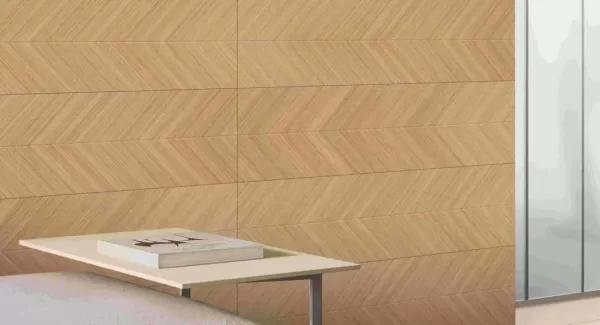
Wooden tiles — also called wood-effect tiles or wood-look tiles — are ceramic or porcelain tiles that are digitally printed and textured to replicate the appearance of real timber. Modern manufacturing technology has made the replication so accurate that it’s genuinely difficult to tell the difference from a standing position.
The key distinction: wooden tiles are made from fired clay or porcelain, not wood. This means they carry all the durability, water resistance, and low-maintenance benefits of ceramic flooring, while delivering the visual warmth and organic character of timber.
At Lavish Ceramics, our wood-effect tile range is produced using high-definition digital printing technology paired with surface embossing — so the grain texture you see is also the texture you feel beneath your feet.
Types of Wooden Tiles
Not all wood-look tiles are the same. Understanding the different types helps you match the right tile to the right space.
1. Ceramic Wooden Tiles
These are the most affordable entry point into the wood-effect category. Ceramic wooden tiles are ideal for wall applications and low-to-medium traffic floor areas like bedrooms and guest bathrooms. They’re lighter than porcelain and easier to cut, which reduces installation costs.
2. Porcelain Wooden Floor Tiles
Porcelain wood-effect tiles are denser, harder, and more water-resistant than ceramic. They’re the go-to choice for wooden floor tiles in high-traffic areas — living rooms, hallways, kitchens, and commercial spaces. Their low porosity means spills sit on the surface rather than being absorbed, making them incredibly practical for family homes.
3. GVT (Glazed Vitrified) Wood-Effect Tiles
GVT wooden tiles offer a polished or satin finish on top of the wood-effect print, adding a subtle sheen that works beautifully in contemporary interiors. The glazed surface is extremely hard-wearing and resistant to staining.
4. Full-Body Wooden Tiles
In full-body tiles, the colour and pattern run through the entire thickness of the tile — not just on the surface. This means chips and scratches are far less visible over time, making them ideal for heavy commercial use such as hotels, retail stores, and offices.
5. Large-Format Wood Plank Tiles
One of the most popular trends in interior design right now is the large-format wood plank tile — typically 200×1200mm or 200×1000mm — which mimics the proportions of real timber planks almost exactly. Laid in a staggered brick-bond pattern, these tiles create a floor that is virtually indistinguishable from hardwood.
Where to Use Wooden Tiles?
One of the biggest advantages wooden tiles have over real timber is their versatility. Here’s how to use them room by room:
Living Room
Wooden floor tiles bring warmth and texture to living spaces without the worry of scratches from furniture or pets. Large-format plank tiles in warm oak or walnut tones work particularly well in open-plan living areas, creating a seamless, flowing look.
Kitchen
Real wood and kitchens are a difficult combination — spills, steam, and dropped utensils take their toll quickly. Porcelain wooden floor tiles are the perfect solution: they handle moisture and foot traffic effortlessly while keeping the warm, natural aesthetic that makes a kitchen feel like the heart of the home.
Bathroom
This is where wooden tiles truly outshine their natural counterpart. Real timber should never go in a bathroom — the humidity alone will cause warping within months. Wood-effect porcelain tiles, however, thrive in wet areas. They’re slip-resistant (choose a matte or textured finish for better grip), water-resistant, and bring a spa-like serenity to bathroom design.
Bedroom
For bedrooms, wooden tiles offer the warmth underfoot that homeowners love about timber, with none of the maintenance. Lighter wood tones — ash, birch, or whitewashed finishes — work beautifully in bedrooms, keeping the space feeling airy and restful.
Outdoor Areas & Balconies
Porcelain wooden floor tiles rated for exterior use can transform balconies, terraces, and garden patios. Choose tiles with a higher slip resistance rating (R10 or R11) for outdoor applications, and ensure the tile is frost-resistant if you’re in a colder climate.
Commercial Spaces
Hotels, restaurants, boutiques, and offices increasingly choose wood-effect tiles for their flooring because they deliver the premium aesthetic of timber at a fraction of the maintenance cost. Full-body and double-charge wooden tiles are specifically designed to withstand the demands of commercial traffic.
How to Choose the Right Wooden Tile?
With so many options available, here are the key decisions to make before you buy:
Tone: Warm or cool? Oak and walnut tones (amber, honey, brown) create a cosy, traditional feel. Ash and whitewashed tones (pale grey, off-white) lean contemporary and Scandinavian. Dark wenge or ebony tones add drama and sophistication.
Finish: Matte finishes hide dust and footprints and provide better slip resistance — ideal for floors. Glossy or satin finishes are better suited to walls, where they reflect light and add depth.
Size: Larger tiles (600×1200mm, 200×1200mm planks) make rooms feel bigger and more open. Smaller tiles (300×600mm) are easier to handle on complex layouts or irregular rooms.
Grout Colour: This is often overlooked but critically important. A grout colour that closely matches the tile tone creates a seamless, almost jointless look. A contrasting grout emphasises the individual tiles and pattern.
Wooden Tiles vs Real Wood Flooring
| Wooden Tiles | Real Wood | |
|---|---|---|
| Water resistance | Excellent | Poor |
| Durability | Very high | Moderate |
| Maintenance | Low — sweep and mop | High — polish, seal, refinish |
| Cost over time | Lower | Higher |
| Warmth underfoot | Good (especially with underfloor heating) | Excellent |
| Authenticity | Very realistic | Real |
| Best for wet areas | Yes | No |
For most homeowners and specifiers today, the balance tips clearly in favour of wood-effect tiles — especially in India’s humid climate, where real timber floors face constant challenges from monsoon moisture and temperature variation.
Why Choose Lavish Ceramics for Your Wooden Floor Tiles?
Lavish Ceramics (Lavish Granito Pvt. Ltd.) is one of India’s leading tile manufacturers, based in Morbi, Gujarat — the ceramic capital of the world. Our wooden tile range is designed in-house and manufactured to international quality standards, with exports to over 50 countries including the UK, UAE, Australia, and across Africa.
When you choose Lavish for your wooden floor tiles, you get:
- High-definition wood-grain printing that replicates the depth and character of real timber
- A wide range of tones, sizes, and finishes to suit every project and budget
- Tiles tested for slip resistance, water absorption, and wear to ensure long-term performance
- Trade support and samples available for architects, designers, and contractors
- Export-ready documentation for international buyers
Whether you’re renovating a single bedroom or specifying flooring for a 200-room hotel, our team is ready to help you find the right wooden tile for the job.
Ready to Explore?
Browse the full Lavish Ceramics wooden tiles collection on our website, or download our tiles catalogue PDF for the complete range with sizes, finishes, and product codes. Samples are available on request.
The warmth of wood. The strength of stone. The ease of ceramic. That’s what wooden tiles from Lavish Ceramics deliver every time.
Similar Articles

Leave a Reply