
Browse products by
Filter By Type
Filter By Finish
Filter By Look
Filter By Application


Filter By Type
Filter By Look
Filter By Application
Filter By Size
Blog
Making Small Spaces Look Bigger: What is the Best Tile Color for Living Room Floors?
Apr 2026
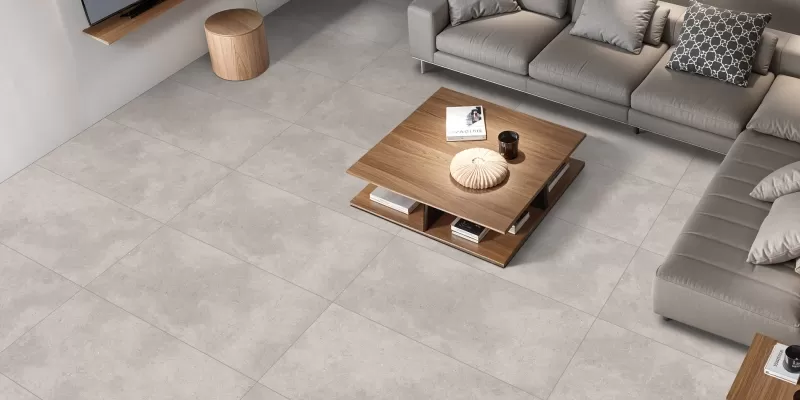
A living room can feel open and relaxed or slightly tight, even when the size is the same. A lot of that comes down to color.
The tiles you choose start influencing the space more once everything else is in, furniture, lighting, and even wall paint, which is why picking the best tile color for living room matters a lot.
Moreover, in homes where the hall connects directly to the living area, using the best color tiles for hall in a similar palette keeps everything visually connected.
So if you’re wondering which tiles color is best for living room, this guide breaks down the top living room tile colors that can make your space feel noticeably bigger.
First, Why Tile Color Matters More Than You Think
Before choosing a shade, it helps to understand what’s actually happening visually.
Lighter tiles tend to bounce light around the room, which makes walls feel a little farther apart.
Darker tiles do the opposite. They absorb light, so the space can feel more closed in. That’s why light color tiles for living room setups are often preferred when the goal is to make the space feel open.
What’s interesting is that this effect isn’t always obvious during the day, but it shows up once the lights are on in the evening.
But it’s not only about light vs dark. The type of reflection matters too.
Flat white can sometimes feel a bit dull. Slightly warm or textured tones reflect light in a softer way. While subtle patterns or veining help the eye move across the floor
This is also why plain, solid tiles don’t get picked as often anymore. They do the job, but they rarely add anything beyond that.
Let’s Explore Light Colors That Visually Expand the Room
If making the room feel bigger is the goal, lighter tones are the safest option. They reflect light instead of holding it, which helps the space feel more breathable.
That said, not every “light tile” actually works well. Some end up looking too flat once installed. But the below options won’t.
Soft Beige and Cream
Still one of the safest picks, especially in Indian homes. They reflect both natural and artificial light without the sharpness of pure white.
At the same time, they bring in a bit of warmth, so the space doesn’t end up feeling too plain or washed out.
Off-White and Pearl Finishes
If plain white feels a little too stark, off-white tends to sit better.
Pearl or slightly tinted whites add just enough depth to avoid that flat look, particularly under strong lighting. You’ll notice this more in the evening, when lighting becomes softer and more directional.
Warm Greige and Taupe
This is where many newer interiors are headed, and it falls under the latest living room tile colors for a reason. Greige sits between grey and beige, so it doesn’t carry that cold undertone.
Taupe leans warmer and pairs easily with wood and fabric finishes. The overall effect is open, but not too stark.
Light Grey Marble-Look Tiles
Light grey on its own can feel a bit plain. Add marble-style veining, and it changes the whole surface. The veins create a natural flow, so the eye doesn’t stop at one point. That subtle movement can make the floor feel more spread out than it actually is.
Sand, Travertine, and Earthy Neutrals
There’s a noticeable shift toward these tones in 2026. Sand, clay, and travertine finishes bring warmth without making the space feel heavy.
They work well if you’re looking for a simple tiles color for living room that still feels considered rather than basic.
Finish: The Hidden Factor That Changes Everything
Two tiles in the same color can still feel very different depending on the finish.
This usually becomes obvious only after placing samples side by side, not when you’re looking at them individually in a store.
Glossy / Polished (PGVT)
Polished Glazed Vitrified Tiles work especially well in smaller spaces. They reflect light almost like a soft mirror, pushing brightness into corners and reducing shadows. That slight reflection adds depth.
They usually work best in:
- Compact living rooms
- Apartments with limited daylight
- North-facing homes
Matte and Satin
Matte finishes absorb more light. That reduces glare, but it also slightly reduces the sense of openness.
They’re better suited for:
- Larger living rooms
- High-traffic areas
- Spaces aiming for a softer look
If the room is already spacious, matte works nicely. If not, polished tends to perform better, even if it’s not everyone’s first preference.
Practical Color Picks from Lavish Ceramics
If you look at current Lavish Ceramics collections, a few options stand out for this kind of space.
This is usually the point where choices become less about theory and more about what actually looks right in your own lighting.
For brighter rooms, ivory, crema, and off-white PGVT tiles work consistently well. Options like Myra Ivory or Ambas-style finishes bring in light without feeling too plain.
For a slightly more modern tone, light greys like Spice Gris or neutral blends like Delta keep things airy while adding some character.
If you want something premium without making the room feel smaller, marble-inspired finishes like Statuario or Calacatta are still reliable choices.
For a softer look, sand or travertine-inspired tones create a warm base without adding visual clutter.
Can You Use Dark Tiles in a Living Room?
This is where most people hesitate and wonder whether dark tiles for living room good or bad is even worth considering.
A lot of that hesitation comes from seeing dark tiles in small sample setups, where they almost always look heavier than they actually are in a full room.
Dark tiles aren’t wrong, but they need the right setting.
In smaller spaces or rooms with limited natural light, darker shades like charcoal or deep brown tend to absorb light and make the room feel tighter.
In larger, well-lit rooms, they can actually work well. Dark floors add contrast and depth, especially with lighter walls.
If you like darker tones but don’t have a large space, it’s better to use them in smaller areas rather than across the full floor.
Wrapping Up
If you want the space to feel larger, the best tile color for living room is one that reflects light and keeps the floor visually continuous.
In most cases, light color tiles for living room, like beige, ivory, or greige, are safe choices if you’re unsure which tiles color is best for living room. Using similar tones as the best color tiles for hall also helps maintain flow.
As of 2026, the latest living room tile colors lean toward warm neutrals, and even a simple tiles color for the living room can make a space feel more open when chosen carefully.
Similar Articles


Leave a Reply